Celebrating Nature in Contemporary Artwork

There is something profoundly soothing about the way nature whispers its stories through the strokes of a brush or the curves of a sculpture. When I immerse myself in contemporary artwork that celebrates the natural world, I feel a gentle connection to the earth’s rhythms and colors. The vibrant greens of leaves, the delicate dance of light on water, and the intricate patterns of bark and stone all find new life in the hands of artists who cherish the environment. This celebration of nature through artistic nature motifs invites us to pause, reflect, and appreciate the beauty that surrounds us every day.
The Power of Artistic Nature Motifs in Modern Art
Artistic nature motifs are more than just decorative elements; they are a language that speaks to our shared experience with the environment. These motifs can be anything from the subtle veins of a leaf to the bold silhouette of a mountain range. In contemporary art, they serve as bridges between the natural world and human creativity, reminding us of our place within the larger ecosystem.
Artists today often draw inspiration from the textures, colors, and forms found in nature. For example, some use the fluidity of water to create abstract paintings that evoke movement and change. Others might focus on the resilience of trees, capturing their strength and grace in sculptures or mixed media pieces. These motifs not only enhance the visual appeal of the artwork but also carry deeper meanings about growth, transformation, and harmony.
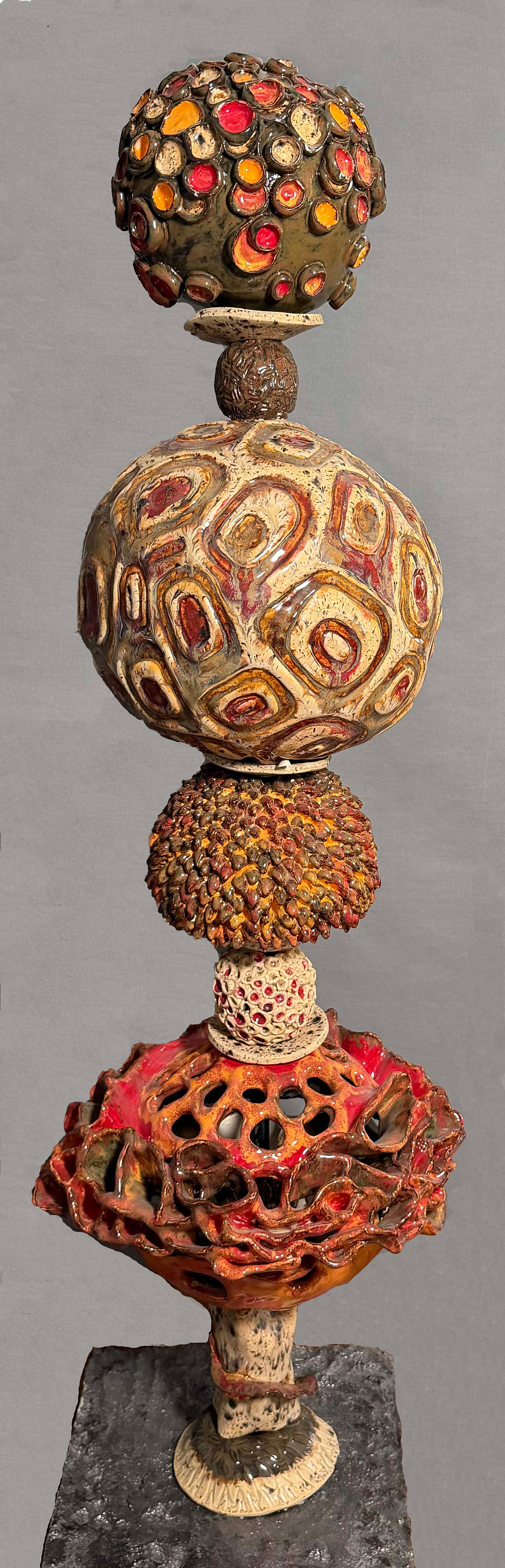
If you want to explore more about this theme, I highly recommend checking out nature-inspired artwork, where the artist beautifully blends her South African heritage with the natural world to create stunning contemporary pieces.

The intricate veins of a leaf captured in vibrant paint strokes.
How Contemporary Artists Bring Nature to Life
The magic of contemporary nature art lies in its ability to reinterpret the environment in fresh, unexpected ways. Many artists experiment with materials and techniques to evoke the essence of nature without simply replicating it. This approach invites viewers to engage with the artwork on a personal level, discovering new details and emotions with each glance.
For instance, some artists use recycled natural materials like wood, stone, or even soil to create tactile sculptures that invite touch and exploration. Others might incorporate digital media to simulate natural phenomena such as wind, rain, or the shifting light of dawn. These innovative methods deepen our appreciation for the environment by highlighting its complexity and fragility.
One practical way to experience this is by visiting galleries or exhibitions that focus on eco-conscious art. Look for pieces that emphasize sustainability or that tell a story about the environment. When you bring such artwork into your home or collection, you not only enjoy its beauty but also support artists who are passionate about preserving nature.
What Famous Artist Draws Nature?
Throughout history, many renowned artists have found endless inspiration in the natural world. From the delicate botanical studies of Georgia O’Keeffe to the sweeping landscapes of Claude Monet, nature has been a muse for countless creative minds. In the contemporary scene, artists like Andy Goldsworthy use natural materials to create ephemeral works that highlight the beauty and impermanence of the environment.
If you are curious about how these artists translate nature into their work, consider exploring their collections online or in museums. Observing their techniques and themes can inspire your own appreciation and understanding of nature’s artistic potential.
Bringing Nature’s Spirit into Your Space
Incorporating nature-inspired artwork into your living or working environment can transform the atmosphere, infusing it with calm and vitality. When selecting pieces, think about the emotions and stories you want to evoke. Do you prefer the tranquility of a forest scene, the energy of ocean waves, or the intricate beauty of floral patterns?
Here are some tips to help you choose and display nature-themed art effectively:
Consider scale and placement: Large pieces can become focal points, while smaller works add subtle touches of nature’s charm.
Mix textures and mediums: Combine paintings, sculptures, and textiles to create a rich sensory experience.
Use natural light: Position artwork where sunlight can enhance colors and shadows, bringing the pieces to life.
Create a theme: Group artworks with similar motifs or color palettes to tell a cohesive story.
By thoughtfully curating your collection, you invite the spirit of nature into your daily life, fostering a deeper connection to the world outside your window.
The Everlasting Bond Between Art and Nature
As I reflect on the enduring relationship between art and nature, I am reminded of how both are constantly evolving yet eternally intertwined. Contemporary artists continue to explore this bond, using artistic nature motifs to express their reverence for the environment and their hopes for its future.
Whether through bold abstractions or delicate realism, these artworks serve as gentle reminders of the beauty and fragility of our planet. They encourage us to slow down, observe, and cherish the natural wonders that surround us. In a world that often feels rushed and disconnected, such art offers a sanctuary of peace and inspiration.
If you are drawn to this vision, I invite you to explore the world of nature-inspired artwork and discover pieces that resonate with your own love for the natural world. Each creation is a celebration of life’s intricate patterns and a call to protect the precious environment we all share.


Comments