Nature's Influence on Contemporary Artwork

There is something profoundly soothing about the way nature whispers its secrets to those who pause and listen. As I wander through forests, gaze at the endless sky, or watch the gentle ripple of a stream, I find myself drawn into a world where colors, shapes, and textures blend in perfect harmony. This intimate connection with the natural world has long inspired artists, and today, contemporary artwork continues to echo this timeless relationship. The beauty of nature is not just a backdrop but a living, breathing muse that shapes creativity in the most enchanting ways.
The Everlasting Charm of Art Inspired by Nature
Nature has always been a wellspring of inspiration for artists, but in contemporary art, this influence takes on new dimensions. The vibrant hues of a sunset, the intricate patterns of leaves, and the raw power of a storm all find their way onto canvases, sculptures, and installations. What fascinates me most is how artists translate these elements into something fresh and personal, inviting us to see the world through their eyes.
For example, many contemporary artists use organic materials like wood, stone, and natural pigments to create pieces that feel alive. These materials carry the essence of the earth, grounding the artwork in a tactile reality. Others experiment with abstract forms that mimic the fluidity of water or the jagged edges of mountain ranges, capturing the spirit rather than the exact image of nature.
This approach not only celebrates the environment but also encourages us to reflect on our relationship with it. When I encounter such works, I feel a gentle reminder of the delicate balance we share with the natural world and the importance of preserving its beauty.

Exploring the Depths of Nature-Inspired Artwork
When I speak of nature-inspired artwork, I think of pieces that do more than depict nature; they embody it. This kind of art invites us to experience the essence of the natural world, often evoking emotions tied to memory, place, and identity. My work, for instance, intertwines my South African heritage with the landscapes and textures of my surroundings.
One of the most compelling aspects of nature-inspired art is its ability to evoke a sense of place. Whether it’s the dusty reds of the African savannah or the lush greens of a rainforest, these colors and forms transport us. They remind us of the earth’s diversity and the stories embedded in every leaf and stone.
For those looking to bring this inspiration into their own creative practice or collection, I recommend:
Observing closely: Spend time outdoors, noticing the small details—the veins in a leaf, the way light filters through branches.
Experimenting with materials: Try incorporating natural elements or textures into your work.
Reflecting on personal connections: Think about places or moments in nature that hold special meaning and explore how to express those feelings visually.
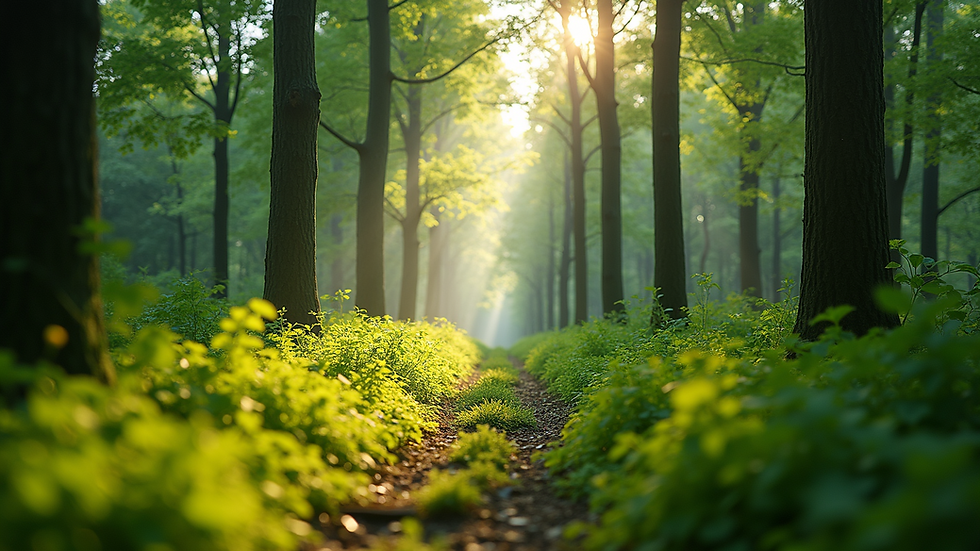
What is the Best Art Style for Nature?
Choosing the best art style to capture nature’s essence depends largely on what aspect of the natural world you wish to express. Some styles lend themselves beautifully to certain elements, while others offer a broader canvas for interpretation.
Realism: For those who want to celebrate the intricate details of flora and fauna, realism offers a way to capture nature’s beauty with precision. The delicate petals of a flower or the texture of animal fur come alive in this style.
Impressionism: This style captures the fleeting effects of light and color, perfect for portraying landscapes bathed in changing sunlight or the movement of water.
Abstract: When the goal is to evoke the feeling or energy of nature rather than its exact form, abstract art shines. Bold shapes and colors can represent the chaos of a storm or the calm of a quiet meadow.
Mixed Media: Combining different materials and techniques can create a rich, layered effect that mirrors the complexity of natural environments.
Personally, I find that blending styles often yields the most compelling results. For example, starting with a realistic base and then adding abstract elements can create a dynamic tension that draws the viewer in.
If you’re an art collector or creator, consider what resonates most deeply with you about nature. Is it the tranquility, the power, or the mystery? Let that guide your choice of style.
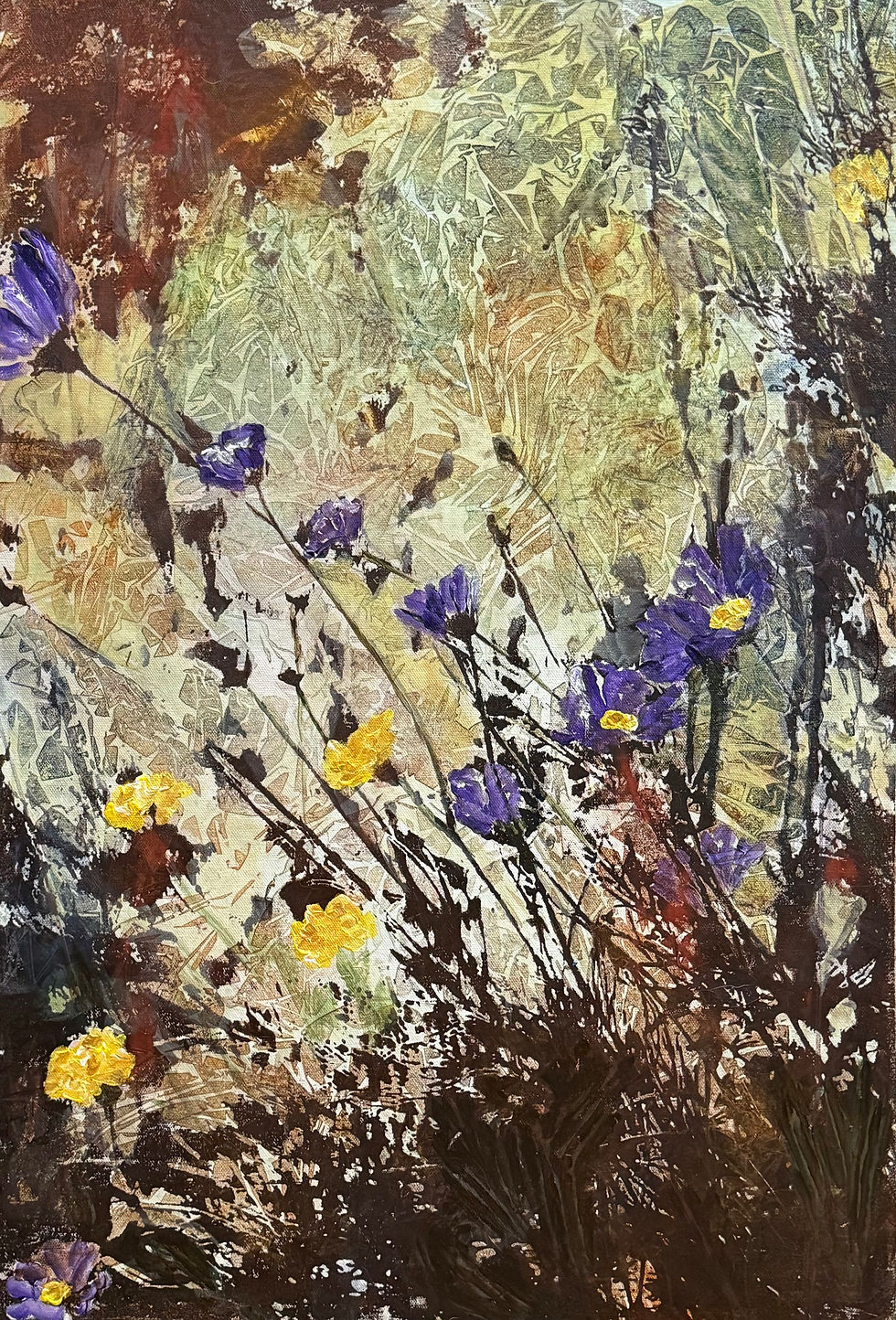
The Role of Nature in Contemporary Artistic Expression
In today’s fast-paced, technology-driven world, nature offers a grounding force for many artists. It serves as a counterbalance to the artificial and the digital, reminding us of our roots and the cycles that sustain life. Contemporary artists often use nature as a metaphor for growth, decay, renewal, and resilience.
Moreover, environmental concerns have brought a new urgency to nature-inspired art. Many creators use their work to raise awareness about climate change, habitat loss, and the need for conservation. This adds a layer of activism to the aesthetic, making the artwork not only beautiful but meaningful.
For those who appreciate contemporary art, this fusion of beauty and message can be deeply moving. It invites us to engage not just visually but emotionally and intellectually. When I view such pieces, I feel a call to action—a gentle nudge to cherish and protect the world that inspires so much creativity.
Bringing Nature’s Spirit into Your Space
If you’re drawn to the idea of surrounding yourself with art that breathes the spirit of the natural world, there are many ways to do so. Whether you’re an experienced collector or just beginning your journey, here are some tips to help you find pieces that resonate:
Look for authenticity: Seek artists who have a genuine connection to nature, like Shana Orbach, whose work reflects her heritage and environment.
Consider scale and placement: Large landscapes can transform a room, while smaller, detailed works invite closer inspection.
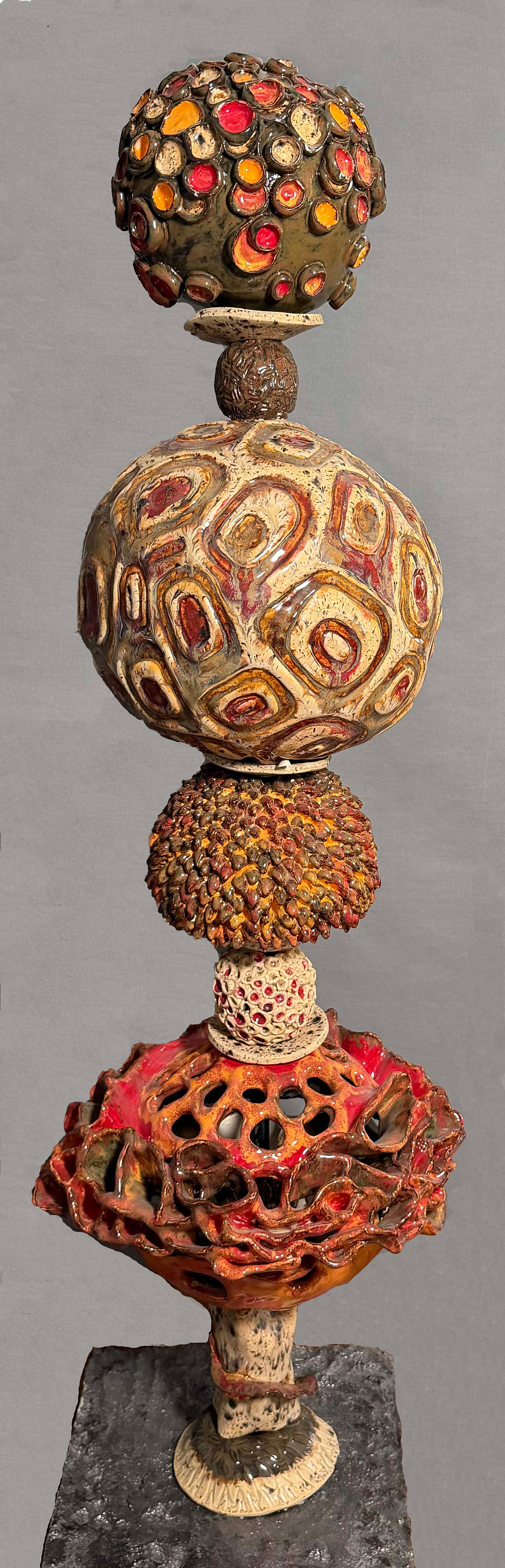
Mix mediums: Don’t be afraid to combine paintings, sculptures, and textiles to create a rich, immersive experience.
Engage with the story: Learn about the artist’s inspiration and process. This connection can deepen your appreciation and enjoyment.
By curating a collection that honors nature’s influence, you create a sanctuary that nurtures your soul and sparks your imagination every day.
Nature’s influence on contemporary artwork is a testament to the enduring power of the natural world to inspire, heal, and transform. Through vibrant colors, evocative forms, and heartfelt stories, artists invite us to see the earth anew. As I continue to explore this beautiful intersection of art and nature, I am reminded that creativity, like nature itself, is a living, evolving force—one that connects us all in its gentle embrace.


Comments