The Essence of Nature in Artistic Creations

There is something profoundly moving about the way nature whispers its secrets through art. When I immerse myself in a painting or sculpture that draws from the natural world, I feel a gentle connection to the earth’s rhythms and colors. It’s as if the artist has captured a fleeting moment of sunlight filtering through leaves or the delicate curve of a petal, inviting me to pause and breathe in the beauty that surrounds us. This dance between nature and creativity is timeless, and it continues to inspire artists and admirers alike.
The Timeless Bond of Art Inspired by Nature
Nature has always been a muse for artists, offering endless inspiration through its textures, shapes, and moods. From the earliest cave paintings to contemporary masterpieces, the natural world has shaped artistic expression in countless ways. When I think about art inspired by nature, I see more than just landscapes or floral motifs. I see a celebration of life’s intricate details - the veins of a leaf, the shimmer of water, the ruggedness of bark.
Artists who embrace this connection often invite us to experience nature through their eyes. They translate the intangible feelings of awe, peace, and wonder into colors and forms that speak directly to our souls. This kind of art doesn’t just decorate a space; it transforms it, bringing a sense of calm and vitality that echoes the outdoors.

The unexpected textures of a pile of fallen leaves reveal nature’s artistry in every groove and ridge.
How Nature Shapes Artistic Vision
When I explore the creative process behind nature-inspired pieces, I’m fascinated by how artists interpret the environment around them. Some focus on realism, capturing every detail with precision. Others lean into abstraction, using natural elements as a springboard for imaginative expression. Both approaches reveal the artist’s personal dialogue with nature.
For example, the vibrant colors of a sunset might inspire a bold palette, while the gentle sway of grasses could influence fluid brushstrokes. The sounds of a forest or the scent of wildflowers might even shape the mood of a piece. This sensory immersion allows artists to create works that resonate deeply with viewers, evoking memories and emotions tied to the natural world.
If you’re drawn to this kind of art, consider how your own experiences with nature influence your preferences. Do you find yourself captivated by serene landscapes or dynamic, energetic scenes? Understanding this can help you connect more meaningfully with the artwork you choose to bring into your home or collection.
The warm hues of a sunset reflecting on water inspire a sense of tranquility and wonder.
What is the Best Art Style for Nature?
Choosing the best art style to represent nature depends on what aspect of the natural world you want to highlight and how you want to feel when you engage with the piece. Here are a few styles that beautifully capture nature’s essence:
Realism - This style focuses on lifelike depictions, perfect for those who appreciate detailed and accurate representations of flora, fauna, and landscapes. Realism invites viewers to observe nature’s beauty as if they were standing right there.
Impressionism - With its loose brushwork and emphasis on light and color, impressionism captures the fleeting moments of nature. It’s ideal for evoking mood and atmosphere rather than precise detail.
Abstract - Abstract art distills nature into shapes, colors, and forms that may not be immediately recognizable but evoke the spirit of the natural world. This style encourages personal interpretation and emotional response.
Minimalism - By stripping down to essential elements, minimalism highlights nature’s simplicity and elegance. It’s a calming style that often uses clean lines and muted tones.
Mixed Media - Combining various materials and techniques, mixed media can incorporate natural elements like leaves, wood, or sand, adding texture and depth to the artwork.
Personally, I find that the best style is the one that speaks to your heart and invites you to experience nature in a new way. Whether it’s the delicate brushstrokes of an impressionist painting or the bold forms of an abstract sculpture, each style offers a unique window into the natural world.

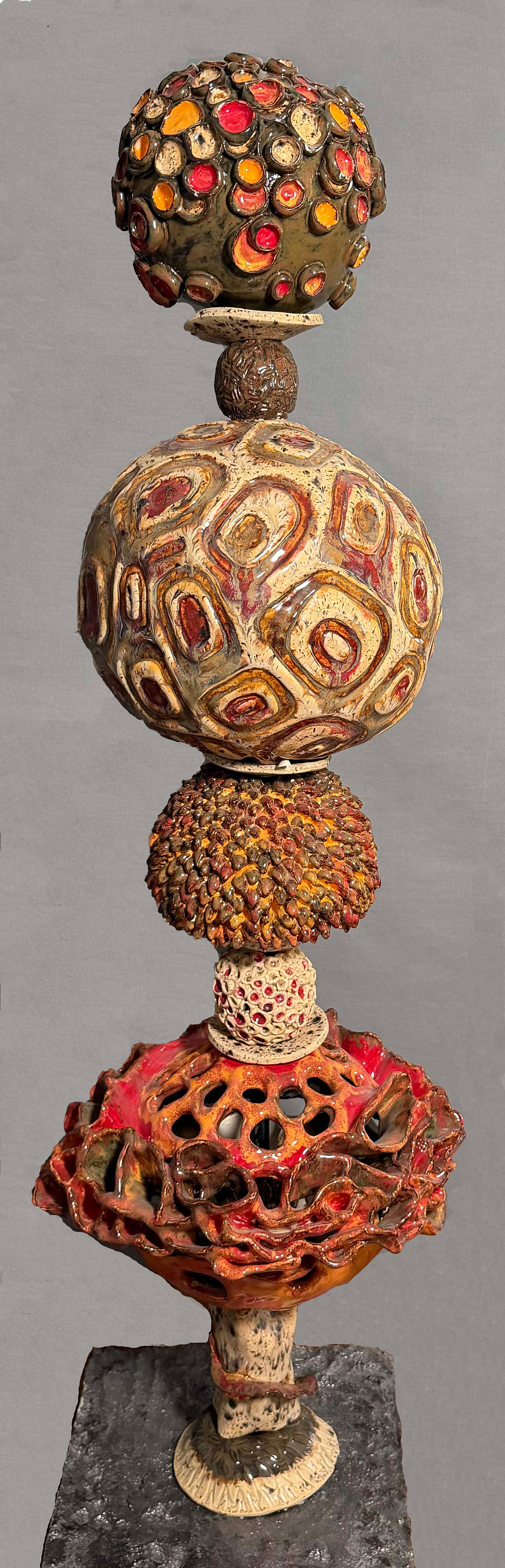
"Bristle" Abstract art uses bold colors and shapes to evoke the essence of nature’s forms.
Bringing Nature’s Spirit into Your Space
Incorporating art inspired by nature into your living or working environment can transform the atmosphere profoundly. When I add a piece that reflects the outdoors, I notice how it shifts the energy of the room - making it feel more alive, grounded, and inviting.
Here are some practical tips to help you bring this essence into your space:
Choose colors that reflect natural elements: Greens, blues, browns, and soft neutrals can create a soothing palette.
Mix textures: Pair smooth surfaces with rough or organic textures to mimic nature’s diversity.
Consider scale: Large pieces can serve as focal points, while smaller works add subtle touches of nature’s charm.
Use natural materials: Frames made of wood or stone complements the artwork and enhances the connection to nature.
Create a themed gallery: Group artworks that share a nature-inspired theme to tell a cohesive story.
If you’re looking for unique pieces that embody this spirit, I highly recommend exploring nature-inspired artwork. The collection there beautifully blends contemporary techniques with the raw beauty of the natural world, offering something truly special for any art lover.
The Everlasting Influence of Nature on Creativity
Nature’s influence on art is not just about aesthetics; it’s a profound source of inspiration that nurtures creativity and reflection. When I engage with art that draws from the natural world, I feel a renewed sense of wonder and a reminder of our place within the larger ecosystem.
Weaving heritage and environment into your work, remind us that nature is not just a backdrop but a living, breathing partner in the creative journey. My pieces invite us to slow down, observe, and appreciate the subtle beauty that often goes unnoticed.
As you explore art inspired by nature, I encourage you to let your senses guide you. Notice how colors, shapes, and textures make you feel. Allow yourself to be transported to a quiet forest, a sunlit meadow, or a crashing ocean wave through the power of artistic expression.
In the end, the essence of nature in art is a celebration of life itself - vibrant, ever-changing, and deeply connected to our human experience.

The fragile beauty of a flower petal captures nature’s fleeting moments of grace.


Comments